Reviewing the Mandala Lantern SVG for Embroidery
As a designer who spends more time staring at digitized stitch paths than I care to admit, I approach every new digital embroidery file with a mix of curiosity and skepticism. We have all been there: you download a stunning graphic, eager to turn it into a best-selling handmade product, only to realize the design is a nightmare to stitch out. That is why I took a close look at the 3D Paper Cut File Mandala Lantern SVG. While the title suggests a paper-craft origin, my job is to determine if this 3D SVG asset translates effectively into thread and fabric for real-world embroidery projects.
First Impressions: Mood and Visual Personality
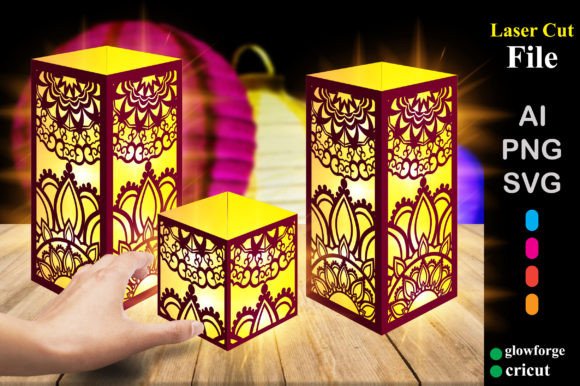
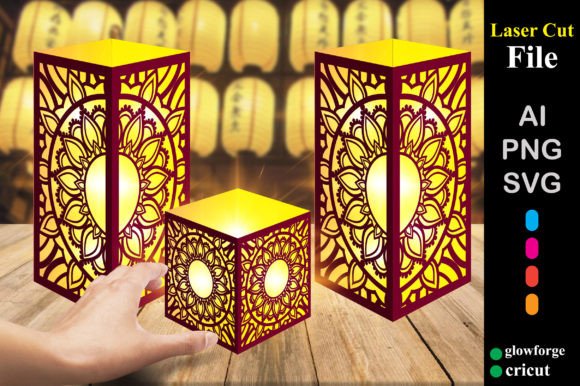
The first thing that strikes you about this design is its intricate geometry. It falls squarely into the Shapes category, but it is far from a basic circle or square. The mandala motif evokes a sense of calm, balance, and bohemian elegance. Visually, it mimics the layered depth of 3D paper cutting, which presents both an opportunity and a challenge for us as embroiderers. The "lantern" aspect implies a central focal point with radiating details, creating a natural hierarchy that draws the eye inward.
For a craft business owner, mood is everything. This design does not scream; it whispers. It feels appropriate for mindful branding, wellness products, or sophisticated home decor. It lacks the chaotic energy of some modern abstract designs, offering instead a structured, symmetrical beauty that appeals to customers looking for quality and precision in their personalized gift items.
Real-World Application: From Screen to Stitch
To truly evaluate this asset, I imagined a specific scenario: creating a high-end tote bag design for a local boutique client. The client wanted something that looked expensive but remained durable. Here is how the 3D Paper Cut File Mandala Lantern SVG holds up in practical application.
If you are using this as a reference for digitizing or as a base for an applique design, the layered look is fantastic. However, if you are attempting to stitch this directly as a filled image, you must consider stitch density. Complex mandalas can easily become dense mats of thread if not handled correctly. In my mental simulation of stitching this on a canvas tote, I would likely break the design down. I might use a running stitch for the finer, outer geometric lines to keep the fabric flexible, and reserve fill stitch or satin stitch techniques only for the bolder, central elements of the lantern shape. This approach prevents the dreaded "cardboard effect," where the fabric becomes stiff and unyielding.
For sweatshirt embroidery, the story changes slightly. The plush texture of fleece or French terry can swallow fine details. In this case, the bold structural lines of the mandala would shine, while the tiniest inner details might need to be simplified or enlarged. This design works beautifully here because the symmetry allows for a strong visual impact even if some micro-details are lost to the fabric pile.
Navigating Fabric and Hoop Constraints
One of the most critical aspects of reviewing any machine embroidery design is understanding where it fails. This mandala lantern is not a one-size-fits-all solution. You must exercise caution when working with small hoop sizes. If you shrink this design to fit a 4x4 hoop for a embroidered patch or a baby hat, the intricate lines may merge. Thread has thickness; when lines are too close, they bridge together, turning a delicate pattern into a solid blob.
Furthermore, consider the fabric texture. On smooth cotton or linen, the crisp lines of this 3D SVG inspired shape will look sharp and professional. On textured fabrics like waffle knit or heavy denim, the precision may be lost. For baby embroidery items, such as onesies or burp cloths, I would recommend testing the design on scrap fabric first. Babies require softness, so ensuring the back of the embroidery is clean and not overly dense is vital for comfort.
Curved surfaces, like caps, present another hurdle. A large, flat mandala does not naturally conform to the curve of a baseball cap without distortion. If you plan to use this for headwear, you must position it carefully, perhaps placing it on the side panel rather than the front crown, or significantly reducing the size to maintain proportion.
Commercial Value and Brand Consistency
For Etsy sellers and small shop owners, the visual appeal of your listing photos drives sales. This design lends itself well to high-contrast photography. Imagine this mandala stitched in gold thread on a deep navy velvet pillow cover, or in crisp white on a black linen apron. The contrast highlights the complexity of the shape, increasing the perceived value of the finished product.
Using a consistent design language builds brand trust. If your shop specializes in geometric or spiritual themes, this mandala fits seamlessly into your catalog. It signals professionalism. Customers associate intricate, well-executed embroidery with higher price points. However, this only works if the execution is flawless. A poorly stitched mandala looks messy, not artistic. Therefore, the design demands respect in the hooping and stabilizing process.
Practical Designer Notes for Best Results
Before you commit to producing a full run of custom apparel or holiday embroidery gifts using this file, heed these practical tips:
- Test on Scrap Fabric: Never skip this step. Stitch the design on the exact fabric you intend to use for the final product. Check for puckering, thread breaks, and registration issues.
- Check Thread Color Contrast: Use high-contrast thread colors for your first test. It is easier to see stitching errors when the thread stands out against the fabric. Once perfected, you can experiment with tonal blends.
- Review Stabilizer Choice: Given the potential density of a mandala, a cut-away stabilizer is often safer than tear-away, especially for garments that will be washed frequently. This ensures the design remains stable and does not distort over time.
- Inspect Small Details: Zoom in on your digitizing software. Are there tiny jumps or unnecessary trims? Clean up the pathing to reduce production time and thread waste.
- Verify Licensing: The product description notes you receive SVG vector files. Ensure you understand the license terms for commercial use. While you are buying a digital asset, selling finished physical items usually requires a commercial license. Confirm this before listing items on your small shop product pages.
- Mockup Testing: Create printable mockups or digital previews in both black and white. If the design loses its definition in grayscale, it may be too reliant on color rather than form, which can be a risk for certain marketing materials.
Final Verdict on the Design Asset
The 3D Paper Cut File Mandala Lantern SVG is a compelling asset for the right project. It is not a plug-and-play solution for every fabric or hoop size, but for designers willing to put in the preparatory work, it offers significant aesthetic reward. It bridges the gap between modern digital art and traditional craft, providing a design asset that feels both contemporary and timeless.
For those creating commercial embroidery pieces, this design allows for differentiation in a crowded market. It moves beyond simple monograms and basic shapes, offering a level of sophistication that can elevate a brand. Just remember: the beauty of the final piece depends entirely on the technical decisions you make before the needle hits the fabric. Respect the complexity of the mandala, choose your materials wisely, and this design can become a staple in your creative toolkit.