Reviewing the 3D Hanukkah Layered Shadow Box
As an embroidery designer who has spent years digitizing patterns and testing them on everything from delicate baby onesies to heavy canvas tote bags, I approach every new machine embroidery design with a critical eye. It is not just about whether the image looks pretty on a screen; it is about how those vectors translate into thread, tension, and texture on actual fabric. Recently, I evaluated the 3D Hanukkah Layered Shadow Box, a digital asset that promises depth and festive charm. For small business owners, Etsy sellers, and hobbyists looking to elevate their holiday offerings, understanding the practical application of this design is crucial before committing to production.
First Impressions: Mood and Visual Personality
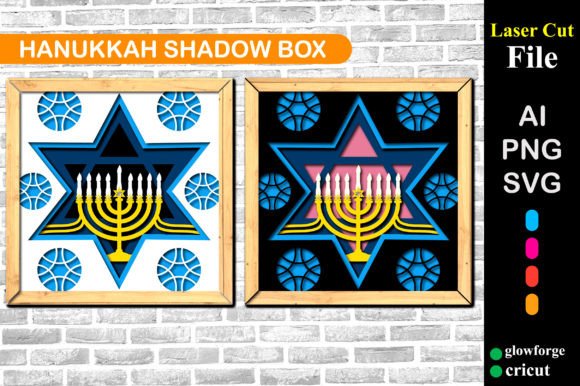
The first thing that strikes you about the 3D Hanukkah Layered Shadow Box is its intentional complexity. Unlike flat, single-layer motifs, this design relies on the interplay of shapes to create an illusion of depth. The mood is warm, traditional, and celebratory, capturing the essence of the Festival of Lights without relying on cliché or overly cartoonish elements. The layout suggests a modern take on traditional symbols, likely featuring menorahs, dreidels, or Star of David motifs arranged in a way that mimics physical layering.
For a designer, this visual personality is a double-edged sword. It offers high impact and professional appeal, but it demands precision. The "shadow box" effect implies that the design uses varying densities and perhaps different stitch types to separate foreground elements from the background. When I look at the provided files—SVG vector, AI, and PNG at 300ppi—I see versatility. However, as an embroiderer, my immediate question is how these layers translate into stitch data. Since the product description highlights the original images are without watermark and available in vector formats, it is clear this is primarily a graphic design asset that may require digitizing for machine use, or it serves as a reference for layered applique work.
Real-World Application: From Screen to Stitch
Let’s consider a real-life scenario. Imagine you are preparing a custom order for a boutique client who wants a set of personalized kitchen towels for a Hanukkah gift. You choose the 3D Hanukkah Layered Shadow Box because of its sophisticated look. If you are using this as an applique design, the layered nature is perfect. You can cut distinct fabric pieces for each layer, reducing the amount of dense stitching required while maintaining the 3D aesthetic. This approach works beautifully on textured fabrics like linen or waffle weave, where heavy fill stitches might pucker the material.
Alternatively, if you are creating a sweatshirt embroidery piece for a family reunion, the design’s bold lines can stand out against fleece. However, you must consider the stitch density. A true 3D effect in embroidery often requires satin stitches for borders and fill stitches for larger areas. If the design is too dense, it will become stiff and uncomfortable on wearable items like caps or baby clothes. In my experience, designs labeled as "3D" or "layered" in the SVG format often need careful adjustment when converted to an embroidery file. You might need to break up large fill areas with running stitches to reduce bulk.
For Etsy sellers and craft business owners, this design fits well into the category of premium holiday decor. It could be stitched onto pillow covers for home staging or used as a central motif on a tote bag. The key is matching the scale of the design to the hoop size. A 5x7 hoop might constrain the outer layers, so checking the dimensions of the SVG before scaling is essential to ensure no details are cropped out during the stitching process.
Navigating Technical Challenges
While the 3D Hanukkah Layered Shadow Box is visually striking, there are specific scenarios where it requires caution. Embroidering on stretchy fabrics, such as jersey knits for t-shirts, can be problematic with layered designs. The multiple layers of thread or fabric can pull unevenly, causing distortion. In these cases, using a cut-away stabilizer is non-negotiable. For woven fabrics like cotton or canvas, a tear-away stabilizer might suffice, but always test on scrap fabric first.
Another consideration is the contrast of thread colors. The shadow box effect relies on visual separation. If you choose thread colors that are too similar in value, the layers will blend together, and the 3D effect will be lost. I recommend testing the design in black and white mockups first to ensure the layers are distinct. Additionally, tiny details in the corners of the design may not stitch out cleanly if the needle deflection is high or if the fabric texture is rough. For embroidered patch projects, where the base is stiff felt or twill, the design will hold up better than on thin, slippery synthetics.
Dark fabrics present another challenge. If the design includes light-colored threads for the top layers, you must ensure adequate coverage to prevent the dark fabric from showing through. This might mean increasing the density of the fill stitches or adding an underlay, which again, adds bulk. For commercial embroidery projects where consistency is key, these variables must be standardized across all units produced.
Enhancing Brand Value and Customer Trust
Using a high-quality, well-thought-out design like the 3D Hanukkah Layered Shadow Box can significantly enhance the perceived value of your handmade product. Customers associate intricate, layered designs with higher effort and skill. When they receive a personalized gift featuring this motif, the attention to detail signals professionalism. This builds trust and encourages repeat business.
For digital product sellers, offering this as part of a bundle with other holiday themes can increase average order value. However, clarity in licensing is vital. The product description states you receive SVG, AI, and PNG files. It does not explicitly state the license terms for commercial use of the embroidered finished goods. As a responsible creator, you must confirm whether you can sell items made with this design or if it is for personal use only. Never assume; always check the license agreement provided by the seller.
Practical Designer Notes for Success
- Test on Scrap Fabric: Always run a test stitch-out on the same type of fabric you plan to use for the final product. This reveals issues with tension, density, and registration.
- Check Thread Contrast: Ensure your thread colors provide enough contrast to highlight the layered effect. Use a color chart to preview the outcome.
- Review Stitch Density: If you are digitizing this SVG yourself, keep stitch density moderate to avoid stiffness, especially for wearable items like custom apparel.
- Confirm Hoop Size: Measure the design dimensions against your machine’s maximum hoop size to ensure it fits without resizing that distorts the aspect ratio.
- Inspect Small Details: Zoom in on the SVG to check for tiny elements that might not stitch well. Simplify if necessary.
- Use Proper Stabilizer: Match the stabilizer to the fabric weight and stretch. Cut-away for knits, tear-away for wovens.
- Verify Licensing: Before selling finished products or using the design in commercial projects, confirm the usage rights associated with the download.
In conclusion, the 3D Hanukkah Layered Shadow Box is a compelling asset for designers who understand the nuances of translating graphic layers into textile art. It offers a modern, sophisticated look for holiday embroidery projects, from tote bag designs to baby embroidery keepsakes. By paying attention to fabric choice, stabilizer selection, and thread contrast, you can leverage this design to create standout pieces that resonate with customers and elevate your brand. Whether you are a seasoned small shop product creator or a hobbyist making gifts, this design rewards careful preparation with beautiful, professional results.