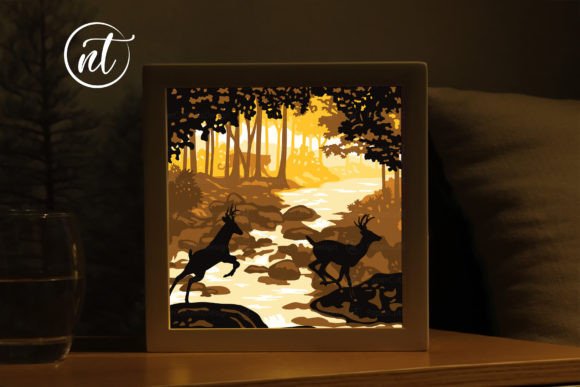
Deer in the Forest Light Box Template: 3D SVG Shadow Boxes
As a digital publisher and blog designer, I have learned that visual communication is not merely about aesthetics; it is about trust. When a reader lands on a page, their brain makes split-second judgments about the quality of the content based on the design assets presented. This is why I recently integrated the Deer in the Forest Light Box Template into my workflow for a nature-focused lifestyle blog. The results were immediate and telling. This asset is not just a pretty picture; it is a strategic tool for enhancing editorial design and improving click-through rates.
First Impressions and Editorial Mood
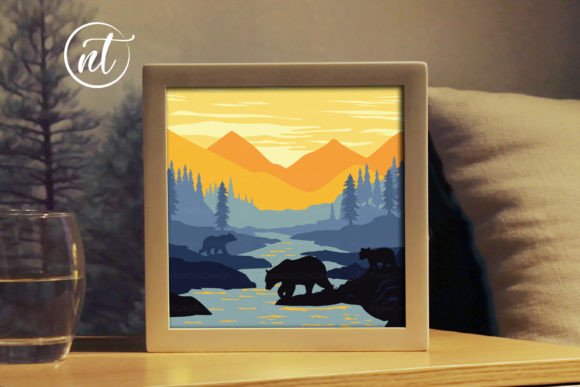
The first time I opened the file, I was struck by the depth. Unlike flat vector illustrations that often feel sterile, this design mimics the tactile warmth of physical papercraft. The Deer in the Forest Light Box Template evokes a mood that is simultaneously serene, artistic, and inviting. It feels organic rather than corporate, making it an ideal fit for niches such as outdoor living, mindfulness, seasonal decor, and creative entrepreneurship.
For publishers, establishing a consistent brand identity is crucial. This asset supports a visual narrative that values craftsmanship and attention to detail. It signals to the reader that the content behind the image is equally curated and thoughtful. Whether you are running an affiliate marketing site focused on home decor or a personal blog about hiking and wellness, this graphic design asset bridges the gap between professional polish and approachable charm.
The Mechanics of Depth in Digital Design
To understand why this template works so well, we must look at its construction. The concept is inspired by traditional shadow boxes, where dimensionality is achieved through layering. In physical craft, Deer In The Forest Light box is created by gluing several layers of paper. Between each layer of paper, put a 5mm foam board to create a distance. It helps to create 3D space for the shadow box. When translated into a digital format, specifically as a 3D SVG, this technique allows for incredible versatility.
For web design, this means you are not stuck with a static, flattened image. You can manipulate individual layers to create parallax effects, adjust lighting for different times of day, or recolor elements to match your specific brand palette. This level of control is rare in standard stock photography and offers a significant advantage for small business branding. It allows you to create a unique visual hierarchy that guides the eye naturally through the composition, from the foreground foliage to the central deer figure and finally to the distant background.
Real-World Publishing Applications
I tested the Deer in the Forest Light Box Template across multiple touchpoints in my content publishing pipeline. Here is how it performed in real-world scenarios:
- Blog Featured Images: The intricate layers provide enough visual interest to stand out in a grid layout without overwhelming the headline text. It creates a strong first impression that encourages clicks.
- Pinterest Pins: Vertical compositions derived from this template perform exceptionally well. The depth creates a "stop-the-scroll" effect, which is critical for driving traffic from social platforms.
- Newsletter Headers: Using the asset in email campaigns adds a premium feel. It breaks the monotony of text-heavy emails and reinforces the aesthetic of the brand.
- Digital Products: I used the layers to create covers for digital guides and printable designs. The professional look increases the perceived value of downloadable resources and lead magnets.
- Social Media Graphics: For Instagram stories or Facebook posts, the asset serves as a beautiful background that does not compete with overlay text.
For affiliate marketers, using such high-quality creative design assets can subtly influence purchasing decisions. When a product review or recommendation is paired with polished, custom-looking visuals, the reader’s trust in the recommendation increases. It suggests that the publisher invests in quality, which transfers to the products being promoted.
Strategic Placement and Visual Hierarchy
While the Deer in the Forest Light Box Template is versatile, it is not a one-size-fits-all solution. Understanding where to place it is key to maximizing its impact. It works best as a hero image on article pages, where it can be displayed at a large size to showcase the detailed layering. It also excels as a category thumbnail, helping readers visually distinguish between different sections of a website.
However, caution is required when using it in smaller formats. On mobile devices, complex details can become muddy if the image is compressed too aggressively. I recommend testing the asset on various screen sizes to ensure clarity. Additionally, avoid placing it against busy backgrounds. The strength of this design lies in its contrast and depth; cluttered surroundings will diminish its effect. For serious professional niches, such as legal or financial advice, this artistic style may feel too decorative. In those cases, a more minimal modern design might be appropriate.
Technical Considerations for Publishers
From a technical standpoint, working with Shadow Boxes style assets requires attention to file management. Since this is a 3D SVG and layered file, you have the flexibility to export it in various formats. For web performance, always compress your images properly. Large, unoptimized files can slow down page load times, which negatively impacts SEO and user experience.
I also experimented with typography pairings. The organic, handcrafted feel of the deer template pairs beautifully with serif fonts for a classic editorial look, or with handwritten fonts for a personal, intimate vibe. Sans serif fonts work well if you want a cleaner, more contemporary appearance. Before finalizing any design, preview the asset inside your actual blog layout. Check how it looks with your headline text, and ensure there is sufficient contrast for readability.
Furthermore, always confirm the licensing terms. If you are using this for commercial design purposes, such as on monetized websites, affiliate pages, or in paid content products like eBooks, ensure you have the appropriate commercial license. Most assets from a creative marketplace will specify whether they allow for unlimited commercial use or if there are restrictions.
Enhancing Brand Identity Through Consistency
Ultimately, the value of the Deer in the Forest Light Box Template lies in its ability to strengthen your brand identity. In the crowded digital landscape, consistency is what makes a brand memorable. By using a distinct visual style across your blog graphics, website header, and social media graphics, you create a cohesive experience for your audience.
This asset supports content marketing efforts by providing a recognizable visual anchor. Whether a reader encounters your content via a Pinterest pin, a newsletter, or a search engine result, the consistent use of this artistic style helps build recognition. It transforms a simple blog post into part of a larger, curated narrative.
For online educators and creators of digital downloads, this level of polish can justify higher price points. A well-designed cover for a digital guide or worksheet suggests that the content inside is equally high-quality. It is an investment in the perceived value of your intellectual property.
Final Verdict for Content Creators
In my experience, the Deer in the Forest Light Box Template is a powerful addition to any publisher’s toolkit. It offers the warmth of handmade art with the flexibility of digital design. It supports better visual hierarchy, improves reader trust, and enhances the overall professionalism of your content pages. While it requires careful handling regarding file size and placement, the benefits far outweigh the effort. For bloggers, designers, and entrepreneurs looking to elevate their visual communication, this asset is a compelling choice that delivers both aesthetic appeal and functional performance.