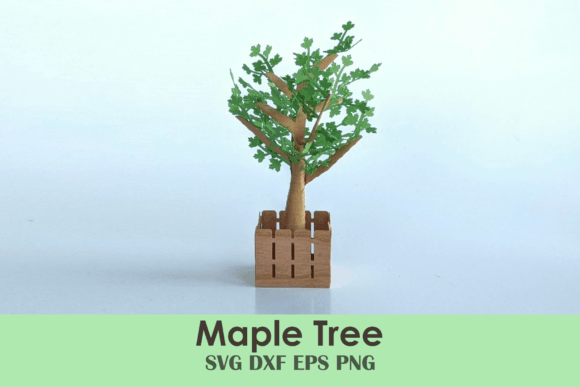
Mini Maple Tree Template: 3D SVG Paper Flowers
As a brand designer who has spent the last decade helping local businesses find their visual voice, I approach every new graphic design asset with a critical eye. It is not just about whether an illustration looks pretty; it is about whether it serves the brand strategy. Recently, I evaluated the Mini Maple Tree Template for a potential project involving a boutique artisanal candle company. My goal was to determine if this digital product could elevate their small business branding beyond generic store-bought aesthetics.
The first impression of the Mini Maple Tree Template is one of delicate craftsmanship. It does not scream for attention with loud colors or aggressive lines. Instead, it suggests a mood that is organic, handmade, and gently festive. For a local business focused on natural ingredients or seasonal rotations, this asset communicates warmth and attention to detail. It feels less like a corporate logo and more like a signature mark from a handmade business that values tradition and nature. The design leans towards the rustic yet refined side of the spectrum, making it an excellent candidate for brands that want to appear approachable but professional.
Strategic Applications in Packaging and Identity
When integrating the Mini Maple Tree Template into a real-world brand identity, versatility is key. This is not merely a static image; as a 3D SVG file, it offers scalability and editability that raster images often lack. In my review, I explored several practical applications for a hypothetical bakery and a skincare line.
For the bakery, the template served as a central element in their packaging design. We placed the maple motif on kraft paper boxes, using it as a subtle background pattern rather than a dominant focal point. This created a textured look that enhanced the perceived value of the pastries inside. For the skincare brand, the asset worked beautifully on circular product label designs. Here, the branches framed the product name, creating a natural border that guided the eye inward. This use of visual hierarchy ensures that the customer reads the brand name first, supported by the decorative elements.
Beyond physical packaging, the Mini Maple Tree Template proves invaluable for social media graphics. In an era where digital presence drives foot traffic, having cohesive marketing visuals is essential. I tested the asset in Instagram story templates and Pinterest pins. The clean lines of the SVG design allowed for easy color manipulation to match seasonal campaigns. Whether using amber tones for autumn promotions or soft greens for spring launches, the template adapted seamlessly. This flexibility is crucial for creative entrepreneurs who need to refresh their content regularly without hiring a designer for every post.
Enhancing Brand Presentation and Trust
A common misconception among new business owners is that decoration is secondary to information. However, in professional branding, every element contributes to customer trust. The Mini Maple Tree Template supports business presentation by adding a layer of polish that distinguishes a hobbyist from a serious enterprise. When a customer receives a package adorned with a well-integrated illustration, the unboxing experience becomes memorable. This emotional connection can lead to repeat purchases and word-of-mouth referrals.
The asset also aids in creating a consistent brand identity across various touchpoints. I utilized the template on hang tags, thank-you cards, and even as a watermark on digital invoices. This repetition reinforces brand recognition. When a customer sees the same maple motif on the website banner, the physical product mockup, and the shipping box, it creates a cohesive narrative. This consistency signals reliability and care, two traits that local brand owners must cultivate to compete with larger retailers.
Furthermore, the template’s association with Paper Flowers and papercraft aesthetics taps into the current trend of tactile, authentic design. Consumers are increasingly drawn to brands that feel human and grounded. By incorporating this clipart or illustration into their materials, business owners can align themselves with values of sustainability and artisanal quality. It is a subtle psychological cue that suggests the product inside is made with similar care.
Contextual Suitability and Design Constraints
While the Mini Maple Tree Template is versatile, it is not a universal solution. As a designer, I must advise on where it works best and where it should be used with caution. It excels in contexts that allow for breathing room. Hero graphics on websites, large-format posters, and spacious packaging layouts allow the intricate details of the branches to shine. It is particularly effective for seasonal campaigns, such as fall harvest sales or winter holiday collections, where the imagery resonates with the time of year.
However, there are limitations. This asset should be avoided in formal corporate branding where minimalism and stark professionalism are required. It may clash with luxury minimalist brands that rely on heavy negative space and typography alone. Additionally, caution is needed when applying the template to very small labels or crowded packaging. If the design is reduced too much, the fine lines of the branches may disappear or print poorly. It should never compete with essential legal information or ingredient lists. In editorial design or text-heavy layouts, the maple tree should remain a background element to avoid distracting from the copy.
Another consideration is contrast. The template relies on clear outlines. Placing it on low-contrast backgrounds or busy patterns can render it invisible. Designers must ensure that the color chosen for the PNG design or vector path stands out against the substrate. For dark packaging, a white or metallic foil version of the Mini Maple Tree Template would be necessary to maintain visibility and elegance.
Practical Notes for Brand Designers
Before committing to any design assets for client work, thorough testing is non-negotiable. Here are my practical notes for using the Mini Maple Tree Template effectively:
- Test on Real Mockups: Do not rely solely on screen previews. Apply the design to actual product mockup files to see how it interacts with shadows, folds, and material textures.
- Check Black and White Usage: Ensure the design holds up in monochrome. Many small businesses print receipts or simple flyers in black and white, and the asset must remain legible.
- Preview on Small Labels: Scale the image down to the size of a standard jar lid or price tag. If the details blur, simplify the usage or increase the line weight if editing the SVG design.
- Typography Pairing: Test the template beside various font styles. It pairs exceptionally well with serif fonts for a classic look, script fonts for a feminine touch, and clean sans serif fonts for a modern contrast. Avoid overly decorative display fonts that might compete with the intricate branches.
- Verify Licensing: Always confirm the commercial license terms. Ensure that the digital product allows for use in physical product sales and client branding projects. This is critical for avoiding legal issues down the line.
- Inspect Vector Editability: If using the 3D SVG version, open it in your preferred vector software. Check that all paths are closed and nodes are clean. This ensures smooth cutting if you plan to use it for physical die-cuts or embossing.
In conclusion, the Mini Maple Tree Template is a potent tool for small business branding when used with intention. It bridges the gap between digital convenience and tactile warmth. For product sellers, marketers, and packaging designers looking to add a touch of organic elegance to their visual hierarchy, this asset delivers. It transforms standard printable design materials into curated brand experiences. By understanding its strengths and respecting its limitations, local businesses can leverage this Canva template-friendly resource to build a stronger, more recognizable presence in their community. The key lies in thoughtful integration, ensuring that every leaf and branch serves the broader story of the brand.