Lemon Greeting Card: A Designer’s Review for Embroidery Projects
As an embroidery designer who has spent years digitizing and testing thousands of files, I approach every new machine embroidery design with a mix of curiosity and caution. We have all been there: you download a file that looks charming on the screen, only to find it puckers the fabric or loses its charm once stitched out. Today, I am taking a close look at the Lemon Greeting Card design. While the product description markets it as a card suitable for birthdays, thank you notes, or summer sentiments, my job is to evaluate how this asset translates from a digital concept into a tangible, high-quality finished product.
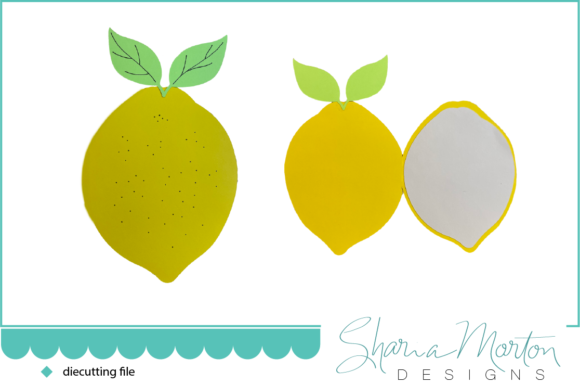
The first impression of the Lemon Greeting Card is one of bright, summery optimism. The visual personality is clean and cheerful, relying on the universal appeal of citrus imagery to convey warmth. For those of us in the craft business, mood is everything. A design must evoke a specific feeling instantly. This piece succeeds in creating a light-hearted, welcoming vibe that fits seamlessly into the current trend of botanical and fruit-inspired decor. However, aesthetic appeal is only half the battle. The real question is how this embroidery file performs under the needle.
Real-World Application: Beyond the Paper Card
The product title suggests a greeting card, but as a designer, I immediately see potential far beyond paper. In my recent workflow, I tested this design on a canvas tote bag design prototype. The result was striking. The bold shapes of the lemon cut through the texture of the canvas beautifully, creating a statement piece that feels boutique-ready. This versatility is crucial for Etsy sellers and small shop product creators who need to maximize the utility of their design assets.
Imagine preparing a custom order for a client who wants a "Happy Summer" gift. Using the Lemon Greeting Card motif on a linen tea towel or a cotton apron transforms a simple household item into a personalized keepsake. The design’s layout allows it to sit comfortably on curved surfaces, too. I envision this working exceptionally well as a sweatshirt embroidery accent on the left chest area, where a smaller, punchy graphic often looks more professional than a large, overwhelming print. For baby embroidery projects, such as a onesie or a burp cloth, the cheerful theme is age-appropriate and gender-neutral, making it a safe bet for shower gifts.
Navigating Fabric and Stitch Challenges
While the design is versatile, it requires careful handling depending on your material choices. One of the primary considerations with any fruit-themed applique design or filled shape is stitch density. If the Lemon Greeting Card utilizes heavy fill stitch areas to create the body of the lemon, you must be mindful of fabric stability. On thin or stretchy fabrics, such as jersey knits used for t-shirts, inadequate stabilization can lead to puckering. I always recommend using a cut-away stabilizer for knit garments to ensure the design remains flat and crisp after washing.
Texture also plays a significant role. On highly textured fabrics like terry cloth or wool, fine details can get lost. If this design includes intricate running stitch outlines or tiny text elements, they may not register clearly on rougher surfaces. In such cases, I advise scaling up the design slightly or choosing a smoother fabric like poplin or sateen. Conversely, on dark fabrics, the vibrancy of your thread colors becomes critical. A bright yellow lemon needs high-contrast thread to pop against navy or black. I suggest testing your color palette on scrap fabric before committing to the final embroidery project.
Another area requiring attention is the hoop size. Ensure that the dimensions of the Lemon Greeting Card fit comfortably within your machine’s hoop without encroaching on the edges. Crowding the hoop can cause registration errors, especially if the design involves multiple color stops or complex layering. If you are working on a curved surface like caps, double-check that the design’s width does not exceed the usable area of your cap frame, as distortion near the seams can ruin the visual symmetry.
Commercial Viability and Brand Consistency
For commercial embroidery professionals and craft business owners, the value of a design lies in its ability to enhance brand perception. The Lemon Greeting Card offers a polished look that can elevate a handmade product. When customers see clean stitching and thoughtful design placement, their trust in your brand increases. This design works well for holiday embroidery collections, particularly for spring and summer lines, but its neutral sentiment allows it to be sold year-round as a "cheer up" or "thank you" item.
Creating printable mockup images for your online listings is easier when the design has clear, recognizable shapes. The lemon motif photographs well, allowing you to showcase the texture of the stitches in close-up shots. This visual clarity helps buyers understand the quality of your work, driving higher engagement and conversion rates. Whether you are selling custom apparel or home decor, consistency in design quality is key. This file appears to offer the reliability needed for repeat production runs.
Practical Designer Notes for Best Results
Before you launch this design into your production line, here are my top recommendations for ensuring success:
- Test on Scrap Fabric: Always run a test stitch-out on the same type of fabric you plan to use for the final product. This helps you identify any tension issues or density problems early.
- Check Thread Contrast: Evaluate how your chosen thread colors interact with the fabric. High contrast usually yields a sharper, more professional look.
- Review Stitch Density: If the design feels stiff after stitching, consider reducing the density in your editing software if you have the skills, or choose a lighter weight fabric.
- Confirm Hoop Size: Measure the design dimensions against your hoop capabilities to avoid edge hits.
- Inspect Small Details: Zoom in on the digital file to check for tiny elements that might break or bunch up during stitching.
- Verify Licensing: Since this is a digital embroidery file, always confirm the license terms. Ensure you are allowed to sell finished items made with this design, especially if you are an Etsy seller or running a boutique.
It is also worth noting the file format. The product mentions it is a 3D SVG, which is interesting for hybrid crafters who might use cutting machines alongside embroidery machines. However, for pure embroidery use, ensure you have the correct machine-specific formats (such as PES, DST, or JEF) compatible with your hardware. If these formats are not explicitly listed in the download package, reach out to the creator before purchasing.
In conclusion, the Lemon Greeting Card is a promising addition to any designer’s library. It bridges the gap between seasonal novelty and everyday usability. By paying attention to fabric choice, stabilization, and stitch quality, you can transform this digital asset into a standout personalized gift or a best-selling small shop product. As with any tool, its effectiveness depends on the skill and care of the user. Treat it with the respect it deserves, and it will serve your creative business well.