Cajita Cierre Corazon Spanish: A Designer’s Review
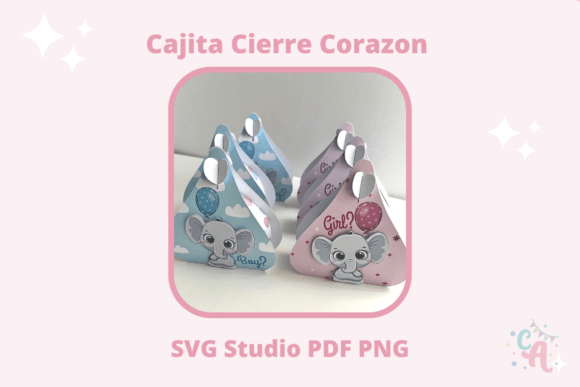
As an embroidery designer who has spent years digitizing patterns and testing files on everything from stiff denim to delicate baby knits, I have learned that the difference between a good design and a great one often lies in the details. When I first encountered Cajita Cierre Corazon Spanish, my initial reaction was one of cautious curiosity. The title suggests a specific cultural or thematic element—a small box with a heart closure—and the description indicates it is a digital template compatible with cutting machines like Silhouette, Cricut, and Brother. However, for those of us in the embroidery world, the translation from a cut file to a stitched machine embroidery design requires a critical eye.
First Impressions and Visual Personality
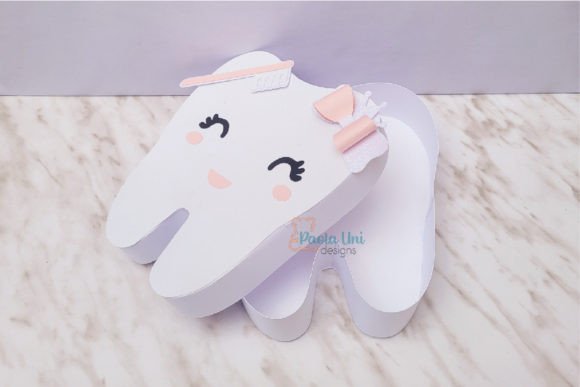
The visual personality of Cajita Cierre Corazon Spanish leans heavily into the Shapes category. It presents a clean, geometric structure that implies functionality and charm. In the context of embroidery, shapes like this are versatile because they do not rely on complex shading or photorealistic detail. Instead, they depend on line weight, spacing, and the interplay between positive and negative space. The "heart closure" aspect suggests a focal point that can be emphasized with a contrasting satin stitch or a textured fill stitch, depending on the desired outcome.
What stands out immediately is the potential for this design to serve as a structural element in a larger project. It is not just a decorative motif; it is a functional shape. This duality makes it intriguing for designers looking to create items that are both aesthetically pleasing and interactive. The mood it creates is one of warmth and precision, suitable for projects that require a touch of personalization without overwhelming the viewer with excessive detail.
Real-World Application: The Custom Tote Bag Scenario
To truly evaluate Cajita Cierre Corazon Spanish, I imagined applying it to a real-life client project: a custom embroidered tote bag for a local boutique. The client wanted a design that could hold small items while looking elegant. Here, the 3D nature of the concept becomes relevant. While the file itself is described as a 3D SVG template, in embroidery, we achieve depth through layering and stitch types.
In this scenario, I would use the outer box shape as a base, potentially employing an applique design technique where a piece of contrasting fabric is cut and stitched down. The heart closure could then be embroidered on top using a dense satin stitch to create a raised, tactile effect. This approach transforms a flat digital asset into a tangible, high-value handmade product. The clarity of the lines in the original template ensures that the stitching remains crisp, even when scaled up for a larger bag surface.
For Etsy sellers and small shop owners, this type of design is invaluable. It allows for rapid production while maintaining a custom look. Customers are drawn to items that feel unique, and a tote bag featuring a distinct shape like this stands out in a crowded marketplace. It speaks to the buyer’s desire for something that is both practical and beautifully crafted.
Navigating Fabric and Stitch Challenges
However, no design is without its challenges. When working with Cajita Cierre Corazon Spanish, attention must be paid to stitch density and fabric choice. If you are stitching on a thin or stretchy fabric, such as a jersey t-shirt or a lightweight baby onesie, the weight of the stitches can cause puckering. This is where proper stabilization is non-negotiable. A cut-away stabilizer is often the best choice for garments that will be washed frequently, ensuring the design retains its shape over time.
Another consideration is the scale. If you attempt to shrink this design too much for a small hoop, such as a 4x4 inch hoop, the intricate details of the heart closure might become lost. The running stitch outlines may merge, and the satin stitches could become too dense, leading to thread breaks or needle holes that weaken the fabric. I always recommend testing the design on scrap fabric first, ideally in the same material you plan to use for the final finished product.
Dark fabrics present another hurdle. If you are stitching on black or navy, you must ensure that your thread colors provide sufficient contrast. A dark thread on a dark fabric will render the design invisible, defeating the purpose of the embellishment. Conversely, on light fabrics, you have more flexibility, but you must still consider how the shadow of the stitches might affect the overall appearance.
Enhancing Product Value and Brand Consistency
From a business perspective, incorporating Cajita Cierre Corazon Spanish into your product line can enhance brand consistency. If your brand focuses on heartfelt, personalized gifts, this design aligns perfectly with that message. It can be used on sweatshirt embroidery, embroidered patches, or even holiday embroidery projects for Christmas or Valentine’s Day. The versatility of the shape allows it to adapt to various themes simply by changing the thread colors and accompanying text.
For commercial embroidery projects, professionalism is key. A clean, well-executed design builds customer trust. When a buyer sees a crisp, well-stitched heart closure on a box shape, they perceive quality. This perception directly impacts buyer engagement and repeat business. It is not just about the design itself, but how it is presented. Using high-quality printable mockup images that showcase the texture and depth of the embroidery can significantly boost online sales.
Practical Notes for the Embroidery Designer
Before diving into production, there are several practical steps every designer should take. First, verify the file compatibility. The product description notes that it is a template for cutting machines, so if you are using it for embroidery, you may need to convert or adapt the vectors into an embroidery file format compatible with your machine. Always check the licensing terms to confirm whether the design can be used for commercial purposes. Selling finished items is different from selling the digital file itself, and clarity here protects your business.
- Test on Scrap Fabric: Always run a test stitch-out to check for tension issues and registration accuracy.
- Check Thread Contrast: Ensure your thread colors stand out against the fabric background.
- Review Stitch Density: Adjust density settings if the design appears too heavy or too light on your test fabric.
- Confirm Hoop Size: Make sure the design fits comfortably within your hoop without hitting the edges.
- Inspect Small Details: Zoom in on the heart closure to ensure the stitches are defined and not merging.
- Use Proper Stabilizer: Choose the right stabilizer for your fabric type to prevent puckering and distortion.
In conclusion, Cajita Cierre Corazon Spanish offers a compelling blend of simplicity and charm. While it originates as a cutting template, its potential in embroidery is significant for those willing to adapt it thoughtfully. By paying attention to fabric texture, stitch density, and presentation, you can transform this digital asset into a standout element in your craft business. Whether you are creating a personalized gift or a batch of small shop products, this design invites creativity and precision, rewarding the designer who takes the time to understand its nuances.