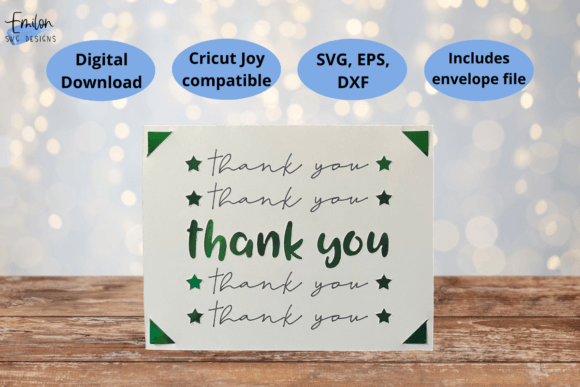
Reviewing 3D SVG Cards And Invites Asset
As a graphic designer who has spent the better part of a decade refining brand identities and packaging for small businesses, I approach every new digital product with a healthy dose of skepticism. We are constantly inundated with graphic design assets that promise versatility but deliver clutter. However, when I recently pulled the Thank You Insert Card SVG Cut File into my workflow for a client’s boutique launch, my perspective shifted. This was not just another clipart drop; it was a functional tool designed for the specific constraints of modern handmade business operations.
The project at hand involved a local artisan soap brand looking to elevate their unboxing experience. The goal was simple: create a tactile, memorable moment when the customer opens the package. In the world of small business branding, that insert card is often the only physical touchpoint that feels purely personal. I needed an asset that was clean, scalable, and compatible with the client’s existing Cricut setup. Here is how this specific 3D SVG file held up under professional scrutiny.
First Impressions and Visual Mood
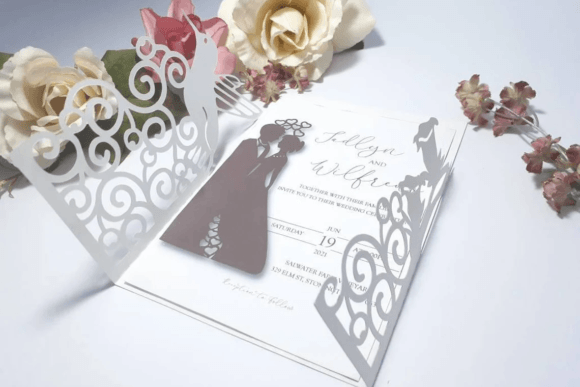
Upon opening the files, the first thing I noticed was the precision of the vector paths. For a Cards And Invites category item, structural integrity is paramount. If the cut lines are jagged or the nodes are messy, the final physical product looks amateurish. This file was crisp. The design exudes a sense of understated elegance, fitting seamlessly into a modern design aesthetic. It does not scream for attention with overly ornate details; instead, it offers a balanced composition that allows the brand’s logo or handwritten note to take center stage.
The mood it creates is one of gratitude and professionalism. It bridges the gap between a mass-produced thank you note and a fully custom-designed piece of stationery. For clients in the creative marketplace, this distinction is vital. It signals to the end consumer that care was taken in every step of the fulfillment process.
Versatility in Real-World Design Scenarios
While primarily marketed as an insert card, I tested this SVG design across various applications to gauge its true utility. In packaging design, it performed exceptionally well as a standalone element on kraft paper boxes. The contrast of the white card against natural brown cardboard created a visually appealing hierarchy that drew the eye immediately.
I also explored its potential in social media graphics. By placing the cut file design into a product mockup, I created Instagram posts that highlighted the brand’s attention to detail. This is crucial for marketing visuals where the perceived value of the product is often tied to the quality of its presentation. Furthermore, for those running Etsy product shops or engaging in print-on-demand, this asset serves as a robust base for customization. It can be easily adapted into a Canva template, allowing sellers to offer personalized options without starting from scratch.
For Cricut project enthusiasts, the compatibility is a major selling point. The inclusion of files for both the Cricut Joy card mat and standard cutting mats means that whether you are producing fifty units or five hundred, the workflow remains efficient. The provided PDF instructions for Cricut Design Space are clear, reducing the friction often associated with implementing new digital products into a production line.
Strategic Placement and Visual Hierarchy
Understanding where to place this asset is key to maximizing its impact. It works best in large layout areas where it can serve as a hero graphic or a primary decorative accent. In editorial design or blog visuals, it can act as a thematic divider, breaking up text while reinforcing the brand’s appreciative tone. When used in brand identity systems, it complements other elements like logo design and product labels, creating a cohesive visual language.
However, designers must exercise caution. This asset should be used carefully in small sizes or crowded layouts. Because it relies on clean lines and negative space, shrinking it too much can cause the details to merge, losing clarity. It is not suitable for complex backgrounds where contrast might be compromised. If you are working on a minimalist branding project, ensure that the surrounding elements do not compete with the card’s structure. In professional corporate materials, it may feel too informal unless the brand voice specifically leans towards warmth and approachability.
Technical Performance and Designer Notes
From a technical standpoint, I always recommend testing any commercial design asset thoroughly before committing to a client deliverable. Here are my practical notes for integrating this file:
- Contrast Check: Always test the design in black and white first. If it does not hold up in monochrome, it will likely fail in color. Ensure high contrast on both light and dark backgrounds.
- Scalability: Preview the SVG at various sizes. Zoom in to check for anchor point errors and zoom out to ensure legibility.
- Mockup Integration: Place the design on real-world mockups. A flat digital view rarely reveals how shadows and paper texture will affect the final look.
- Print Quality: If using for printable design purposes, run a test print on the intended stock. Paper weight and finish can significantly alter the perception of the cut edges.
- Font Pairing: When adding custom text, compare the asset with different typefaces. It pairs well with serif fonts for a classic look, sans serif for modernity, and script or handwritten fonts for a personal touch. Avoid overly decorative display fonts that might clash with the card’s clean lines.
- Licensing: Always confirm the commercial license terms. While this asset is designed for commercial use, understanding the boundaries ensures you protect your client and your business.
Enhancing Brand Trust and Engagement
Ultimately, the value of the Thank You Insert Card SVG Cut File lies in its ability to enhance emotional appeal. In web design and digital ads, we often forget the power of physical touchpoints. This asset helps bridge that gap. It contributes to visual trust by presenting a polished, professional image. When customers receive a package that includes a well-designed insert, their engagement with the brand increases. They are more likely to share the unboxing experience on social media, providing organic marketing visuals for the business.
For sublimation design or t-shirt design contexts, the vector nature of the file allows for easy manipulation, though its primary strength remains in paper goods and sticker design. It is a versatile addition to any designer’s library of design assets, particularly for those specializing in illustration and PNG design workflows that require clean, cuttable outlines.
In conclusion, this design bundle component is a reliable, high-quality tool for professionals. It saves time, ensures consistency, and elevates the perceived value of the final product. For designers working with creative design projects that require a blend of efficiency and elegance, this file is a worthy investment. It transforms a simple transaction into a meaningful interaction, proving that even the smallest details can have the biggest impact on small business branding.