Mug Box Template: 3D SVG Shapes for Branding
As a brand designer who has spent over a decade helping local businesses transition from kitchen-table startups to shelf-ready brands, I have learned that packaging is often the silent salesman. It speaks before the customer even tastes the product or reads the label. Recently, I incorporated the Mug Box Template into a rebranding project for a small-batch artisan coffee roaster, and the results offered valuable insights into how digital assets can translate into physical presence. This review explores the practical application of this asset for real-world commercial design.
First Impressions and Brand Personality
When I first opened the files, my immediate observation was the structural integrity of the design. In the world of small business branding, consistency is key. The Mug Box Template exudes a sense of crafted precision. It does not feel like a generic clipart addition; rather, it feels like a foundational element of a thoughtful brand identity. The mood it creates is one of approachable professionalism. It suggests a brand that cares about the unboxing experience, which is crucial for handmade businesses and boutique owners.
The aesthetic leans towards modern yet rustic, making it highly versatile. It fits seamlessly with organic food brands, cozy candle makers, or elegant skincare lines. For the coffee shop project, it provided that essential touch of warmth without sacrificing clarity. It feels friendly and inviting, yet structured enough to convey trust. If you are aiming for a ultra-luxury minimalist vibe, you might need to adjust the weight, but for most local businesses, it strikes the right balance between decorative and functional.
Versatility in Local Business Applications
One of the strongest aspects of this graphic design asset is its adaptability across various marketing touchpoints. While its primary function is obvious, its utility extends far beyond simple box construction. Here is how I utilized it across different mediums for the client:
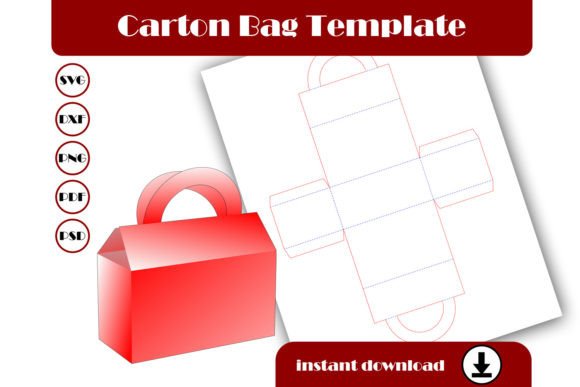
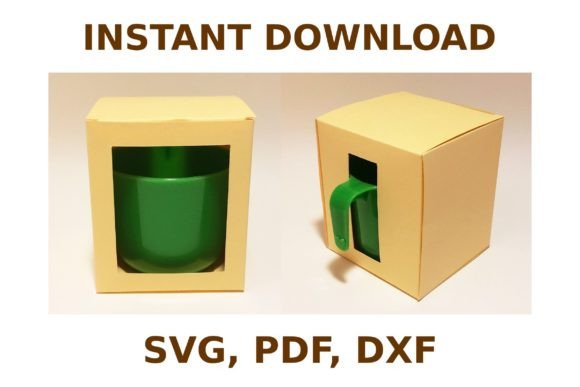
- Packaging Design: The core use case. It allowed us to create a custom-fit box that protected the product while serving as a canvas for the logo.
- Product Labels: Elements from the template were extracted to create border accents on jar labels, ensuring visual consistency between the box and the container.
- Social Media Graphics: We used the flat layout in Instagram posts to show behind-the-scenes packing processes, enhancing transparency and engagement.
- Thank-You Cards: The geometric shapes inspired the layout of insert cards, creating a cohesive unboxing journey.
- Website Banners: The clean lines worked well in hero sections of the e-commerce site, reinforcing the visual hierarchy of the product offering.
This multi-channel application is what separates a simple digital product from a comprehensive branding tool. By using the same structural language across marketing visuals, we strengthened brand recognition significantly.
Technical Specifications and Workflow
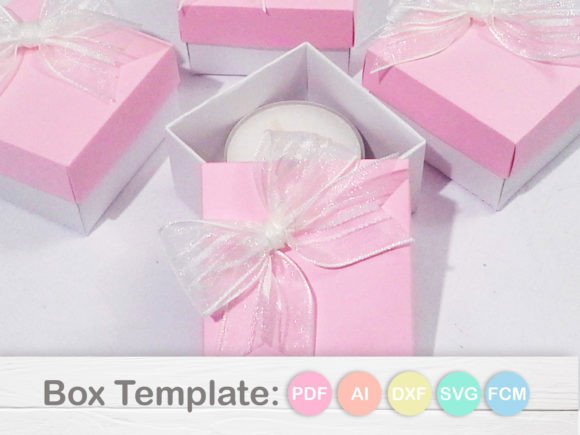
For designers and makers, file compatibility is non-negotiable. The Mug Box Template comes as a ZIP archive containing SVG, DXF, and PDF files. This triad of formats ensures compatibility with almost every workflow. For those using cutting machines like Silhouette or Cricut, the DXF and SVG files are indispensable. They allow for precise cutting of cardstock or corrugated board, which is essential for handmade business owners who produce their own packaging in-house.
The fact that these are 3D SVG compatible files means they retain scalability without losing quality. Whether you are printing a massive trade show banner or a tiny sticker, the vectors remain crisp. The measurements depend on paper size, which offers flexibility but requires careful attention during the setup phase. All templates have been tested for quality, which saved me hours of troubleshooting. In commercial design, time is money, and having pre-tested assets reduces the risk of print errors.
Strategic Placement and Visual Impact
Where you place this asset matters. It works best as a hero graphic or a structural foundation. In packaging design, it serves as the stage upon which your logo design performs. It supports business presentation by providing a stronger first impression and clearer visual hierarchy. When a customer picks up a box that feels solid and well-designed, it subconsciously signals that the product inside is of high quality. This improves customer trust and shelf appeal.
However, there are contexts where caution is advised. Avoid using the full complexity of the template on very small labels where detail might be lost. It is also not suitable for crowded product packaging where ingredient lists and legal information take precedence. In such cases, the decoration might compete with important text, reducing readability. Furthermore, if you are building a formal corporate brand or a stark luxury minimalist brand, ensure the decorative elements do not clash with the desired austere aesthetic.
Practical Designer Notes for Implementation
To get the most out of the Mug Box Template, I recommend several practical steps before finalizing your design. First, always test it on real packaging mockups. Digital proofs can be deceiving; seeing how the folds interact with light and shadow in a physical prototype is crucial. Check black and white usage to ensure the structure holds up even without color. This is vital for cost-effective printing options.
Preview the design on small labels to gauge legibility. Test the template with your specific brand colors. Does the shape enhance the color palette or fight against it? Compare it with competitor packaging to ensure you stand out. If you are using this for printable design inserts, check print quality on your specific printer type. Inspect the SVG editability to see if you can simplify paths for easier cutting if needed.
Typography pairing is another critical consideration. Test the template beside serif fonts for a classic look, sans serif fonts for modernity, or script fonts for a handmade feel. Ensure the font weight balances the visual weight of the box structure. Finally, always confirm the commercial license terms before using it for client work or physical product sales. Understanding the rights associated with design assets from a creative marketplace protects your business from legal issues.
Enhancing Customer Connection Through Design
Ultimately, the goal of using a tool like the Mug Box Template is to foster a deeper emotional connection with the customer. In the era of e-commerce, the unboxing experience is one of the few tangible interactions a local business has with its clientele. A well-designed box transforms a simple transaction into a memorable event. It encourages social sharing, as customers are more likely to post photos of beautiful packaging on social media.
For product sellers, this translates to free marketing and increased brand visibility. For food businesses, it assures freshness and care. For boutique owners, it reinforces the premium nature of their curation. The Mug Box Template is more than just a set of lines and folds; it is a vehicle for brand storytelling. By integrating it thoughtfully into your professional branding strategy, you elevate your product from a commodity to an experience.
In conclusion, this asset is a robust, versatile, and high-quality addition to any designer’s toolkit. Whether you are a social media manager creating content, a packaging designer prototyping new lines, or a creative entrepreneur launching your first product, this template provides the structural foundation needed for success. Embrace the flexibility of Shapes and 3D SVG technology to create packaging that not only protects but also promotes your brand with pride.